
News & Articles
[catlist name=”Hearing Loss”]
[catlist name=”Testimonials”][catlist name=”Articles”]
[catlist name=”Knowledge”]
[AWL-BlogFilter blog_direction=”rtl” blog_image=”yes” blog_image_quality=”large” blog_image_hover_effect=”hover1″ blog_title=”yes” blog_title_color=”#000″ blog_desc=”yes” blog_desc_words=”100″ blog_read_more=”yes” blog_read_more_text=”Read More” blog_date=”yes” blog_pagination=”yes” blog_filters=”yes” blog_all_text=”All” blog_buttons_color=”#58BBEE” blog_filtering=”blog_category” selected_categories=”” custom-css=” ” ]
FAQ
Most frequently asked questions and answers
When should i get my child tested?
A soon as possible.
For infants , whose hearing loss is diagonised by three months after birth and rehabilitation started by six months of age, it is possible to develop speech and language similar to those with normal hearing.
Any delay will affect the speech and hearing of your child.
I think my child might have hearing loss. what should i do?
Have your child’s ear and hearing tested at the nearest health care center or clinic. Usually ENT doctors and audiologists can check ears and hearing. If you are not sure where to go, ask a local health worker or doctor for guidance.
How can hearing be checked in a child and is it safe?
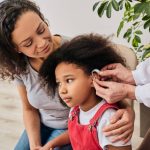 Hearing can tested at all ages. New born babies can be tested within a few days of birth. Children up to the age of 5 years can have their hearing checked using;
- Otoacoustic Emission (OAE)
- Audiotory Brainstem response testing (ABR)
- Behaviour observation audiometry (BOA)
In children over the age five, hearing can be checked using a pure tone audiometry test.
Make sure that when you are speaking to your child you;
- Face him/her
- are in a well lit house so that the child can see your lips and expressions
- keep the background noise low or move to a quiet place
- speak clearly and slowly
- do not shout